How Art Classes Boost Creativity
Art classes play a very important role in developing and enhancing creativity in individuals of all age groups. Creativity is not just about making beautiful drawings or paintings, it is a way of thinking, expressing ideas, and seeing the world from a different perspective. When you join art classes, you step into a space where imagination is encouraged and there are no strict limits on how you should create.
One of the biggest ways art classes boost creativity is by encouraging experimentation. Students are exposed to different techniques, tools, colors, and styles. This freedom allows them to try new things without the fear of making mistakes. Over time, this builds confidence and helps them develop original ideas instead of copying others. Creativity grows naturally when a person feels free to explore.
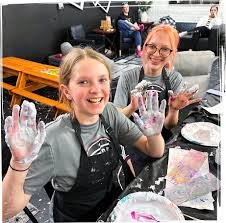
Art classes also help in breaking mental barriers. Many beginners believe they are “not creative” or “not good at drawing,” but structured learning helps remove this fear. With proper guidance, they slowly realize that creativity is a skill that can be developed, not something you are born with. As students practice regularly, they start thinking in more flexible and imaginative ways.
Another important aspect is observation. Art training improves how you observe the world around you. You start noticing small details like shapes, shadows, colors, and textures that you might have ignored earlier. This improved observation skill directly strengthens creative thinking because your mind starts processing information more deeply.
Art classes also encourage problem-solving skills. Every artwork comes with challenges—choosing the right colors, fixing proportions, or creating balance in a composition. Finding solutions to these small challenges trains the brain to think creatively and logically at the same time. This skill is not only useful in art but also in daily life situations.
In addition, working on creative projects in a classroom environment helps students get inspired by others. Seeing different styles and ideas from fellow students opens up new possibilities in their own work. This exchange of ideas creates a healthy creative environment where everyone learns from each other.
Consistency is another key factor. Regular practice in art classes keeps the mind active and engaged. The more you practice, the more your brain becomes comfortable with creative thinking. Slowly, creativity becomes a natural habit rather than a forced effort.
Overall, art classes are not just about learning how to draw or paint—they are about developing a creative mindset. They help individuals express themselves better, think differently, and build confidence in their ideas. Whether someone wants to pursue art professionally or just as a hobby, art classes are one of the best ways to unlock and enhance creativity.
Art Classes Builds Confidence in Expression
Building confidence in expression is one of the most powerful benefits of joining art classes, especially for beginners who are just starting their creative journey. art classes Many people think that confidence comes only from speaking skills or academic success, but in reality, confidence is deeply connected to how freely a person can express their thoughts, ideas, and emotions. Art provides a safe and open space where individuals can express themselves without fear of judgment, and this is where true confidence begins to develop.
When a student enters an art class for the first time, they often feel uncertain about their abilities. They may compare their work with others or feel that their drawings are not “good enough.” However, as they start learning step by step under proper guidance, this fear slowly starts to disappear. Art classes are designed in a way that encourages experimentation rather than perfection. This means students are not judged on how perfect their work is, but on how they are improving and expressing their ideas. This shift in mindset plays a very important role in building confidence.
One of the key reasons art classes improve expression confidence is because they allow students to communicate visually instead of verbally. Not everyone is comfortable expressing their thoughts in words, but art gives them another powerful medium—visual expression. Through colors, shapes, lines, and compositions, students begin to communicate emotions and ideas that they might not be able to explain otherwise. When they see that their thoughts can be understood through their artwork, their self-confidence naturally grows.
Another important factor is the sense of achievement that comes with completing an artwork. Every finished drawing or painting gives students a feeling of accomplishment. Even a simple sketch can bring satisfaction when a learner sees that they have created something from scratch using their own effort. This feeling of achievement builds positive reinforcement, which motivates them to take on more challenging projects. Over time, this continuous cycle of effort and reward strengthens their belief in their own abilities.
Art classes also provide a supportive environment where mistakes are treated as part of learning. Unlike many other fields where mistakes are often seen negatively, in art, mistakes are considered opportunities to improve. This approach reduces fear and hesitation among students. When learners realize that it is okay to make errors and that those errors can be corrected or transformed into something creative, they become more confident in trying new things. This willingness to experiment is a major step in developing expressive confidence.
As students progress, they start to notice improvement in their skills. They may compare their current artwork with their earlier work and see clear progress in shading, proportions, coloring, or composition. This visible growth is extremely important for building confidence. It proves to them that their efforts are paying off and that improvement is possible with practice. This realization encourages them to trust their abilities and express themselves more freely.
Another significant aspect is the feedback they receive in art classes. Constructive feedback from teachers or mentors helps students understand their strengths and areas of improvement. Instead of feeling discouraged, students learn how to refine their work and enhance their skills. Positive encouragement from instructors also plays a key role in boosting confidence. When someone experienced appreciates their effort, it gives learners a strong sense of validation and motivates them to keep going.
Group learning environments in art classes further enhance expressive confidence. When students see others working on different styles and ideas, they feel inspired and motivated. They realize that there is no single “correct” way to create art. Everyone has their own unique style, and this understanding reduces self-doubt. Being part of a creative community helps students feel accepted and supported, which is very important for developing confidence in expression.
Art also helps in emotional expression, which is often deeply connected to confidence. Many individuals struggle to express their emotions openly in daily life. Through art, they can channel their feelings into their work. Whether it is happiness, sadness, excitement, or confusion, all emotions can be expressed through creative forms. This emotional release not only makes them feel lighter but also strengthens their ability to understand and communicate their inner world.
Over time, as students continue practicing, they start developing their own artistic style. This is a major milestone in building confidence. When a person discovers their unique way of creating art, they feel a strong sense of identity. They stop copying others and start trusting their own creative decisions. This independence in expression is a powerful confidence booster because it shows that they are capable of creating something original and meaningful.
Confidence gained through art classes does not stay limited to art alone. It slowly reflects in other areas of life as well. Students become more open to sharing their ideas in conversations, more willing to take risks, and more comfortable facing challenges. The habit of expressing themselves creatively translates into better communication skills and stronger self-belief in everyday situations.
In conclusion, art classes play a crucial role in building confidence in expression by providing a safe, supportive, and creative environment. They encourage students to explore their imagination, accept mistakes, and celebrate progress. Through continuous practice, feedback, and self-discovery, learners gradually develop the confidence to express their ideas freely and creatively. This confidence not only improves their artistic abilities but also positively impacts their overall personality and way of thinking
Building confidence in expression is one of the most powerful benefits of joining art classes, especially for beginners who are just starting their creative journey. Many people think that confidence comes only from speaking skills or academic success, but in reality, confidence is deeply connected to how freely a person can express their thoughts, ideas, and emotions. Art provides a safe and open space where individuals can express themselves without fear of judgment, and this is where true confidence begins to develop.
When a student enters an art class for the first time, they often feel uncertain about their abilities. They may compare their work with others or feel that their drawings are not “good enough.” However, as they start learning step by step under proper guidance, this fear slowly starts to disappear. Art classes are designed in a way that encourages experimentation rather than perfection. This means students are not judged on how perfect their work is, but on how they are improving and expressing their ideas. This shift in mindset plays a very important role in building confidence.
One of the key reasons art classes improve expression confidence is because they allow students to communicate visually instead of verbally. Not everyone is comfortable expressing their thoughts in words, but art gives them another powerful medium—visual expression. Through colors, shapes, lines, and compositions, students begin to communicate emotions and ideas that they might not be able to explain otherwise. When they see that their thoughts can be understood through their artwork, their self-confidence naturally grows.
Creative art classes
Another important factor is the sense of achievement that comes with completing an artwork. Every finished drawing or painting gives students a feeling of accomplishment. Even a simple sketch can bring satisfaction when a learner sees that they have created something from scratch using their own effort. This feeling of achievement builds positive reinforcement, which motivates them to take on more challenging projects. Over time, this continuous cycle of effort and reward strengthens their belief in their own abilities.
Art classes also provide a supportive environment where mistakes are treated as part of learning. Unlike many other fields where mistakes are often seen negatively, in art, mistakes are considered opportunities to improve. This approach reduces fear and hesitation among students. When learners realize that it is okay to make errors and that those errors can be corrected or transformed into something creative, they become more confident in trying new things. This willingness to experiment is a major step in developing expressive confidence.
As students progress, they start to notice improvement in their skills. They may compare their current artwork with their earlier work and see clear progress in shading, proportions, coloring, or composition. This visible growth is extremely important for building confidence. It proves to them that their efforts are paying off and that improvement is possible with practice. This realization encourages them to trust their abilities and express themselves more freely.
Another significant aspect is the feedback they receive in art classes. Constructive feedback from teachers or mentors helps students understand their strengths and areas of improvement. Instead of feeling discouraged, students learn how to refine their work and enhance their skills. Positive encouragement from instructors also plays a key role in boosting confidence. When someone experienced appreciates their effort, it gives learners a strong sense of validation and motivates them to keep going.
Group learning environments in art classes further enhance expressive confidence. When students see others working on different styles and ideas, they feel inspired and motivated. They realize that there is no single “correct” way to create art. Everyone has their own unique style, and this understanding reduces self-doubt. Being part of a creative community helps students feel accepted and supported, which is very important for developing confidence in expression.
Art also helps in emotional expression, which is often deeply connected to confidence. Many individuals struggle to express their emotions openly in daily life. Through art, they can channel their feelings into their work. Whether it is happiness, sadness, excitement, or confusion, all emotions can be expressed through creative forms. This emotional release not only makes them feel lighter but also strengthens their ability to understand and communicate their inner world.
Over time, as students continue practicing, they start developing their own artistic style. This is a major milestone in building confidence. When a person discovers their unique way of creating art, they feel a strong sense of identity. They stop copying others and start trusting their own creative decisions. This independence in expression is a powerful confidence booster because it shows that they are capable of creating something original and meaningful.
Confidence gained through art classes does not stay limited to art alone. It slowly reflects in other areas of life as well. Students become more open to sharing their ideas in conversations, more willing to take risks, and more comfortable facing challenges. The habit of expressing themselves creatively translates into better communication skills and stronger self-belief in everyday situations.
In conclusion, art classes play a crucial role in building confidence in expression by providing a safe, supportive, and creative environment. They encourage students to explore their imagination, accept mistakes, and celebrate progress. Through continuous practice, feedback, and self-discovery, learners gradually develop the confidence to express their ideas freely and creatively. This confidence not only improves their artistic abilities but also positively impacts their overall personality and way of thinking
Art classes play a very important role in developing and enhancing creativity in individuals of all age groups. Creativity is not just about making beautiful drawings or paintings, it is a way of thinking, expressing ideas, and seeing the world from a different perspective. When you join art classes, you step into a space where imagination is encouraged and there are no strict limits on how you should create.
One of the biggest ways art classes boost creativity is by encouraging experimentation. Students are exposed to different techniques, tools, colors, and styles. This freedom allows them to try new things without the fear of making mistakes. Over time, this builds confidence and helps them develop original ideas instead of copying others. Creativity grows naturally when a person feels free to explore.
Art classes play a very important role in developing and enhancing creativity in individuals of all age groups. Creativity is not just about making beautiful drawings or paintings, it is a way of thinking, expressing ideas, and seeing the world from a different perspective. When you join art classes, you step into a space where imagination is encouraged and there are no strict limits on how you should create.
One of the biggest ways art classes boost creativity is by encouraging experimentation. Students are exposed to different techniques, tools, colors, and styles. This freedom allows them to try new things without the fear of making mistakes. Over time, this builds confidence and helps them develop original ideas instead of copying others. Creativity grows naturally when a person feels free to explore.
Art classes play a very important role in developing and enhancing creativity in individuals of all age groups. Creativity is not just about making beautiful drawings or paintings, it is a way of thinking, expressing ideas, and seeing the world from a different perspective. When you join art classes, you step into a space where imagination is encouraged and there are no strict limits on how you should create.
One of the biggest ways art classes boost creativity is by encouraging experimentation. Students are exposed to different techniques, tools, colors, and styles. This freedom allows them to try new things without the fear of making mistakes. Over time, this builds confidence and helps them develop original ideas instead of copying others. Creativity grows naturally when a person feels free to explore.
Art classes play a very important role in developing and enhancing creativity in individuals of all age groups. Creativity is not just about making beautiful drawings or paintings, it is a way of thinking, expressing ideas, and seeing the world from a different perspective. When you join art classes, you step into a space where imagination is encouraged and there are no strict limits on how you should create.
One of the biggest ways art classes boost creativity is by encouraging experimentation. Students are exposed to different techniques, tools, colors, and styles. This freedom allows them to try new things without the fear of making mistakes. Over time, this builds confidence and helps them develop original ideas instead of copying others. Creativity grows naturally when a person feels free to explore.
Art classes play a very important role in developing and enhancing creativity in individuals of all age groups. Creativity is not just about making beautiful drawings or paintings, it is a way of thinking, expressing ideas, and seeing the world from a different perspective. When you join art classes, you step into a space where imagination is encouraged and there are no strict limits on how you should create.
One of the biggest ways art classes boost creativity is by encouraging experimentation. Students are exposed to different techniques, tools, colors, and styles. This freedom allows them to try new things without the fear of making mistakes. Over time, this builds confidence and helps them develop original ideas instead of copying others. Creativity grows naturally when a person feels free to explore.
Art classes play a very important role in developing and enhancing creativity in individuals of all age groups. Creativity is not just about making beautiful drawings or paintings, it is a way of thinking, expressing ideas, and seeing the world from a different perspective. When you join art classes, you step into a space where imagination is encouraged and there are no strict limits on how you should create.
One of the biggest ways art classes boost creativity is by encouraging experimentation. Students are exposed to different techniques, tools, colors, and styles. This freedom allows them to try new things without the fear of making mistakes. Over time, this builds confidence and helps them develop original ideas instead of copying others. Creativity grows naturally when a person feels free to explore.
Art classes play a very important role in developing and enhancing creativity in individuals of all age groups. Creativity is not just about making beautiful drawings or paintings, it is a way of thinking, expressing ideas, and seeing the world from a different perspective. When you join art classes, you step into a space where imagination is encouraged and there are no strict limits on how you should create.
One of the biggest ways art classes boost creativity is by encouraging experimentation. Students are exposed to different techniques, tools, colors, and styles. This freedom allows them to try new things without the fear of making mistakes. Over time, this builds confidence and helps them develop original ideas instead of copying others. Creativity grows naturally when a person feels free to explore.
Art classes play a very important role in developing and enhancing creativity in individuals of all age groups. Creativity is not just about making beautiful drawings or paintings, it is a way of thinking, expressing ideas, and seeing the world from a different perspective. When you join art classes, you step into a space where imagination is encouraged and there are no strict limits on how you should create.
One of the biggest ways art classes boost creativity is by encouraging experimentation. Students are exposed to different techniques, tools, colors, and styles. This freedom allows them to try new things without the fear of making mistakes. Over time, this builds confidence and helps them develop original ideas instead of copying others. Creativity grows naturally when a person feels free to explore.