Learning drawing and painting becomes much easier when you follow a structured approach instead of relying on random practice. Many beginners feel confused because they try to learn everything at once—jumping from sketching to painting, from realism to abstract styles—without building a strong foundation. This often leads to frustration and slow progress. A structured learning method, on the other hand, gives you clarity, direction, and consistent improvement over time.
The first step in building your skills is understanding that art is a combination of small techniques that come together to form a complete artwork. Instead of focusing on the final result, you should focus on mastering each individual element step by step. These elements include lines, shapes, proportions, shading, and color understanding. When you practice each of these fundamentals separately, your overall drawing and painting ability automatically improves.
Start your journey by focusing on basic drawing skills. Learn how to draw straight lines, curved lines, and simple shapes like circles, squares, and triangles. These may seem very basic, but they form the foundation of every complex artwork. Almost every drawing, no matter how detailed, can be broken down into simple shapes. By mastering this stage, you train your hand and eye to work together, which is one of the most important aspects of art.
Once you are comfortable with basic shapes,
the next step is to understand proportions and structure. This means learning how different parts of an object relate to each other in size and position. For example, when drawing a face, understanding where the eyes, nose, and mouth should be placed is crucial. Without proper proportions, even a well-shaded drawing may look off. Practicing with reference images can help you improve this skill faster.
After building a basic understanding of shapes and proportions, you can move on to shading. Shading is what brings life and depth to your drawings. It helps transform flat sketches into realistic images. Start by learning simple shading techniques like hatching, cross-hatching, and blending. Pay attention to light sources—understand where the light is coming from and how it affects shadows. This will help you create more realistic and visually appealing artwork.
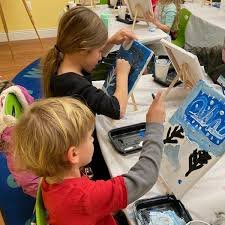
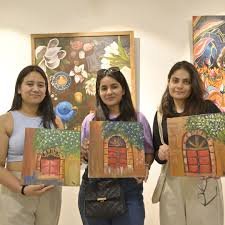
g & Painting experienced artists or joining art classes can further enhance your structured approach. A good teacher can identify your mistakes, guide you in the right direction, and provide valuable feedback. Even online tutorials and courses can be helpful if they follow a step-by-step teaching method. Learning from reliable sources ensures that you are practicing the right techniques.
gress, which is a great source of motivation.